Closing the Power Gap: How Blended Finance Unlocks African Energy
The continent's energy deficit is an investment opportunity in disguise. The constraint is rarely engineering — it is the financing structure that makes projects bankable.
30 July 2026
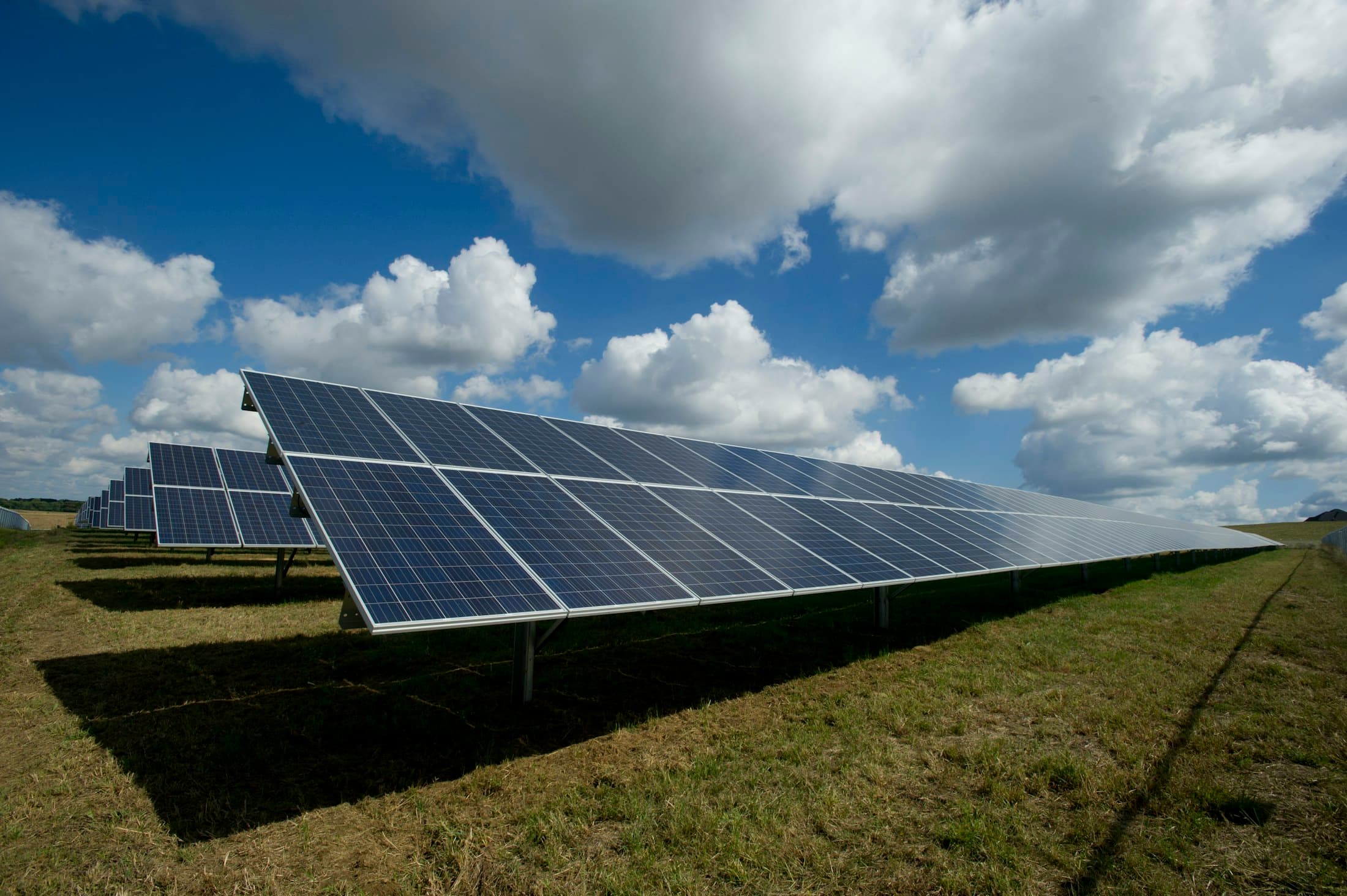
Africa holds some of the world's richest renewable resources and its fastest-growing energy demand, yet a persistent power gap remains. The bottleneck is seldom the turbine or the panel — it is the capital structure that determines whether a project ever reaches financial close.
Bankability is the real infrastructure
Energy projects live or die on their financing. Long build horizons, currency exposure and off-taker risk can stall otherwise-sound developments. Blended finance — combining concessional, commercial and institutional capital — reallocates risk so that private investors can participate at scale.
The most important thing you can build in African energy is a structure that makes the megawatts bankable.
A facilitation-led approach
Facilitators who understand both the policy environment and the capital markets can bridge the gap between public priorities and private returns. That means structuring partnerships, sequencing capital, and aligning incentives across governments, developers and funds.
Done well, energy facilitation does more than earn a return — it compounds. Reliable power is the input to every other sector, from manufacturing to real estate, which is why we treat it as foundational to a diversified African portfolio.