The Corridor Economy: Why West African Trade Routes Are the Next Growth Story
Regional integration is turning fragmented markets into connected corridors. For investors, the opportunity is in the plumbing — finance, logistics and the rails that move goods across borders.
18 August 2026
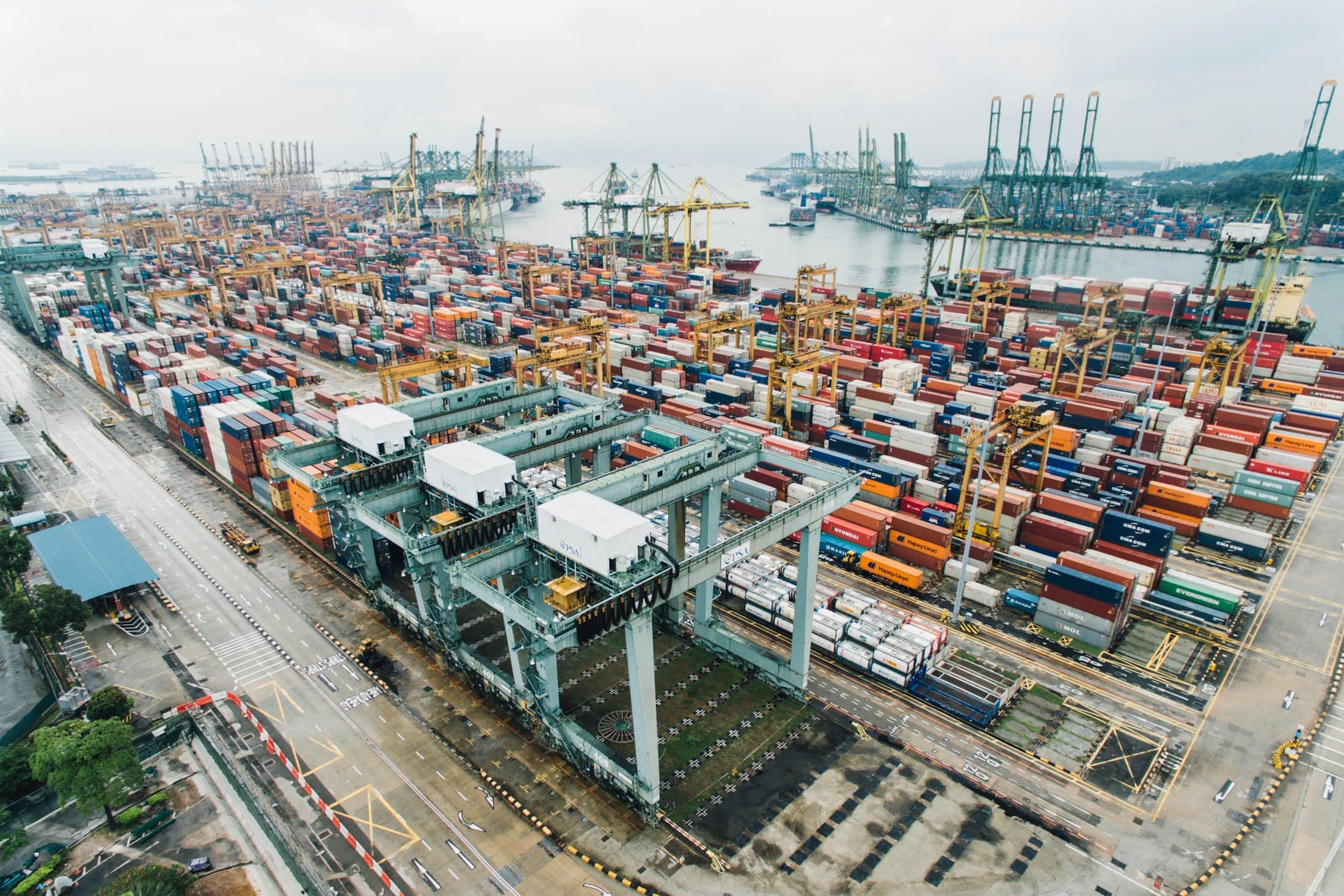
Africa's internal trade has long been constrained less by demand than by friction — customs delays, fragmented logistics, and the cost of moving capital across borders. As regional integration frameworks mature, that friction is beginning to fall, and with it a new class of investable infrastructure is emerging: the corridor economy.
From borders to bridges
A trade corridor is more than a road. It is the coordinated system of finance, documentation, warehousing and transport that lets a manufacturer in one market reach a buyer in another without prohibitive cost or delay. Where these systems are built well, trade volumes compound.
The opportunity is rarely in a single asset — it is in connecting the links that turn a route into a corridor.
Where facilitation creates value
For institutional investors, the most durable returns tend to sit in the enabling layer: structured trade finance that de-risks counterparties, logistics coordination that compresses lead times, and the advisory work that helps businesses navigate market access. These are not glamorous assets, but they are the ones that make everything above them possible.
As corridors deepen, the businesses that facilitate them — rather than simply move along them — are positioned to capture disproportionate value. That is the thesis behind treating trade facilitation as an investment discipline in its own right.